
Cybersecurity researchers at Rutgers University-New Brunswick and the Georgia Institute of Technology have proposed new ways to protect 3D printed objects such as drones, prostheses and medical devices from stealthy “logic bombs.”

Cybersecurity researchers at Rutgers University-New Brunswick and the Georgia Institute of Technology have proposed new ways to protect 3D printed objects such as drones, prostheses and medical devices from stealthy “logic bombs.”
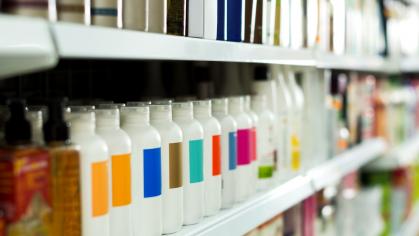
Use of certain personal care products during pregnancy may impact maternal hormone levels, according to a new Rutgers study. Personal care and beauty products contain several ingredients that often include a wide range of endocrine-disrupting chemicals like phthalates, parabens, phenols and toxic metals. These chemicals interact with hormone systems, influencing synthesis, regulation, transport, metabolism and hormone reception, which are all especially vulnerable during pregnancy.

Distinguished Professor and chair of the Department of Biochemistry and Microbiology, Max Häggblom, is principal investigator of a collaborative, multinational project, “Dimensions US-China-South Africa: Establishing genetic, phylogenetic and functional mechanisms that shape the diversity of polar and alpine soil microbiomes,” funded by the National Science Foundation.
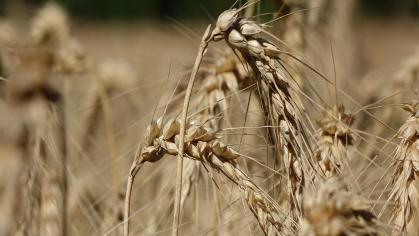
Increasing adoption of agricultural practices such as cover cropping, grazing management and agroforestry can increase the amount of carbon stored in soils to help combat climate change, according to a new report by researchers from Rutgers University-New Brunswick and the University of Maine.
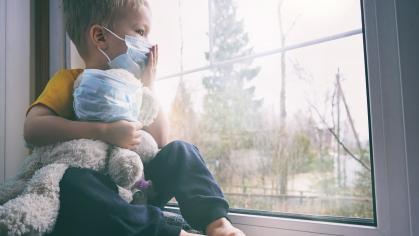
Rutgers Robert Wood Johnson Medical School (RWJMS) is projected to receive approximately $30 million, establishing a critical partnership with the larger National Institutes of Health-funded RECOVER initiative to study long-term and delayed impacts of COVID-19 in children and lead a national collaboration with the potential to recruit from any state to investigate these outcomes.

New Jersey’s autism rate is higher than the national average, according to Rutgers contributors to a Centers for Disease Control and Prevention Study.

Under a $2.575 million HRSA grant, Rutgers University Behavioral Health Care will develop and implement the Rutgers University Integrated Substance Use Disorder Training Program, a full-time fellowship program designed to increase the number of nurse practitioners, physician assistants, psychologists, and social workers who are trained to provide effective integrated care and substance use disorder/opioid use disorder services.
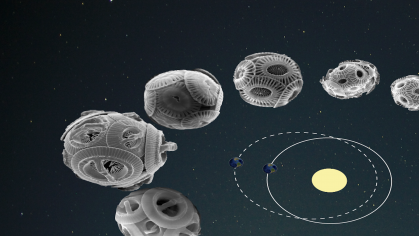
Using artificial intelligence techniques, an international team that included Rutgers-New Brunswick researchers has traced the evolution of coccolithophores, an ocean-dwelling phytoplankton group, over 2.8 million years.

English learners in New Jersey public schools, already facing inadequate supports and a lack of attention, missed out on critical services during the COVID-19 pandemic, according to a new report that a Rutgers faculty member helped edit.
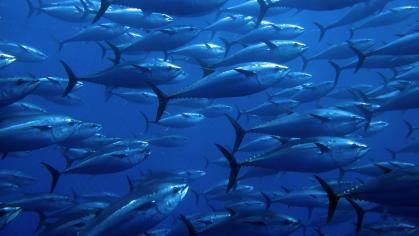
Bluefin tuna, a long-lived migratory species that accumulates mercury as it ages, can be used as a global barometer of the heavy metal risk posed to ocean life and human health, according to a study by Rutgers and other institutions.

If all countries adopted the same tax on carbon emissions and returned the revenues to their citizens, it is possible to keep the global temperature from rising more than 2 degrees Celsius while also benefiting wellbeing, reducing inequality, and alleviating poverty, according to a Rutgers study.
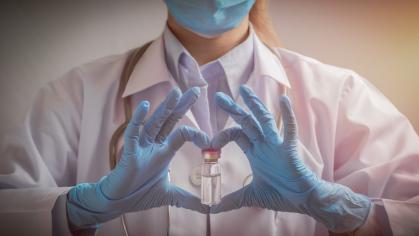
Nearly 1 in 5 people in the United States over the age of 12 haven’t gotten at least one shot. Some may be reluctant to take a vaccine they believe has only been tested for a few months, but that couldn’t be further from the truth, says Michelle Carlin, an assistant professor of forensic chemistry at Rutgers University–Camden.