

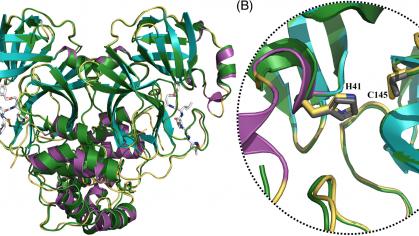
The RCSB Protein Data Bank, headquartered at the Rutgers Institute for Quantitative Biomedicine, announced the expansion of its data storage capacity through the Amazon Web Services (AWS) Open Data Sponsorship Program. The AWS program is providing the Protein Data Bank with more than 100 terabytes of storage for no-cost delivery of information to millions of scientists, educators, and students around the world who are working in fundamental biology, biomedicine, bioenergy, bioengineering and biotechnology.

The COVID-19 pandemic highlighted and intensified issues of access to high-quality early childhood education, leading to sharp declines in enrollment and state funding during the 2020-2021 school year, according to the 2021 State of Preschool Yearbook report by the National Institute for Early Education Research (NIEER) at the Rutgers Graduate School of Education.

Rachael Winfree, a professor in the Department of Ecology, Evolution and Natural Resources, and a widely published, renowned expert in bee populations, discussed biodiversity and some of the issues arising from the UN conference, occurring from April 25 - May 8 in Kunming, China, with Rutgers Today.

A pair of Rutgers researchers are teaming up to combat climate change and worldwide hunger at the same time.
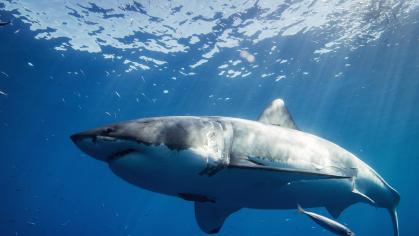
Warming of the oceans due to climate change will mean fewer productive fish species to catch in the future, according to a new Rutgers study that found as temperatures warm, predator-prey interactions will prevent species from keeping up with the conditions where they could thrive.
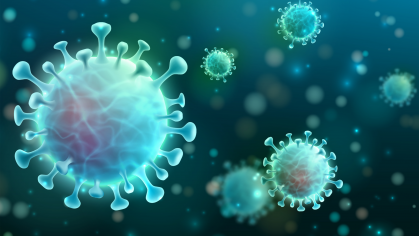
COVID-19 vaccines taken by people with inflammatory bowel disease (IBD), which affects millions worldwide, safely and effectively protect them from the SARS-Cov-2 virus, a Rutgers study finds. The comprehensive review, published in the journal Alimentary Pharmacology & Therapeutics, focused on all studies describing the response of patients with IBD who were administered a COVID-19 vaccine.
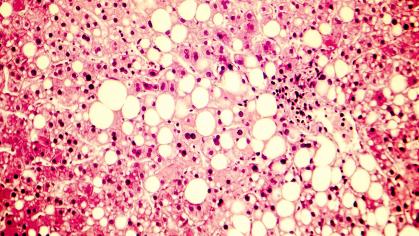
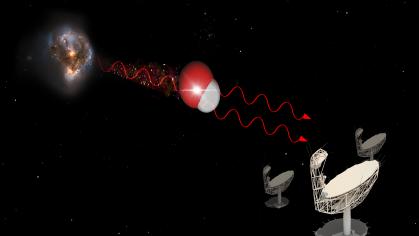
An international team of researchers, including four Rutgers astronomers, has discovered a powerful megamaser -- a naturally occurring, astronomical, radio-wavelength laser -- in a galaxy nearly five billion light years from Earth.

Two large genetic studies, recently published in Nature, point to similar genes and biological mechanisms that start to hone in on the root causes of the severe psychiatric disorder.

Two products commonly administered intravenously to replenish iron levels in the body have a much higher chance of provoking a severe allergic attack, according to Rutgers researchers who conducted a study analyzing the medical records in a large database of older, Medicare patients.
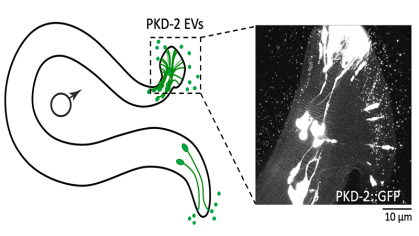
Scientists have long puzzled about a critical way that cells communicate with one another, but Rutgers researchers have used a simple roundworm to solve the mystery. The study, which appears in the journal Current Biology, could help to develop treatments for Alzheimer’s and other neurodegenerative diseases.