
Despite strong evidence that medication is the most effective treatment for opioid use disorder (OUD), adolescents and most adults who might benefit from OUD treatment report no medication use, according to a study by researchers at the Rutgers School of Public Health and Columbia University Mailman School of Public Health.
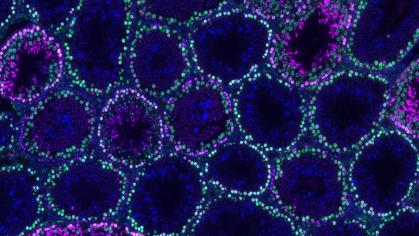
New research may help scientists locate immature cells in the central nervous system that could shed light on the causes of neurodegenerative diseases like multiple sclerosis—an autoimmune disease that affects the brain and nervous system—and allow for the development of better therapeutic treatments.
A high number of teens and young adults with an overdose involving a benzodiazepine (BZD), like Xanax, or psychostimulant, like Adderall, have a recent medical prescription for a BZD or stimulant, according to Rutgers researchers who say physicians need to weigh the risks and benefits of these medications more closely.